
Our approach
Built for London: heritage, craft and materials
We acquire land in Central London and build in keeping with the culture and structure of the city, using the best materials we can find.
Respect for London
The street comes before the scheme
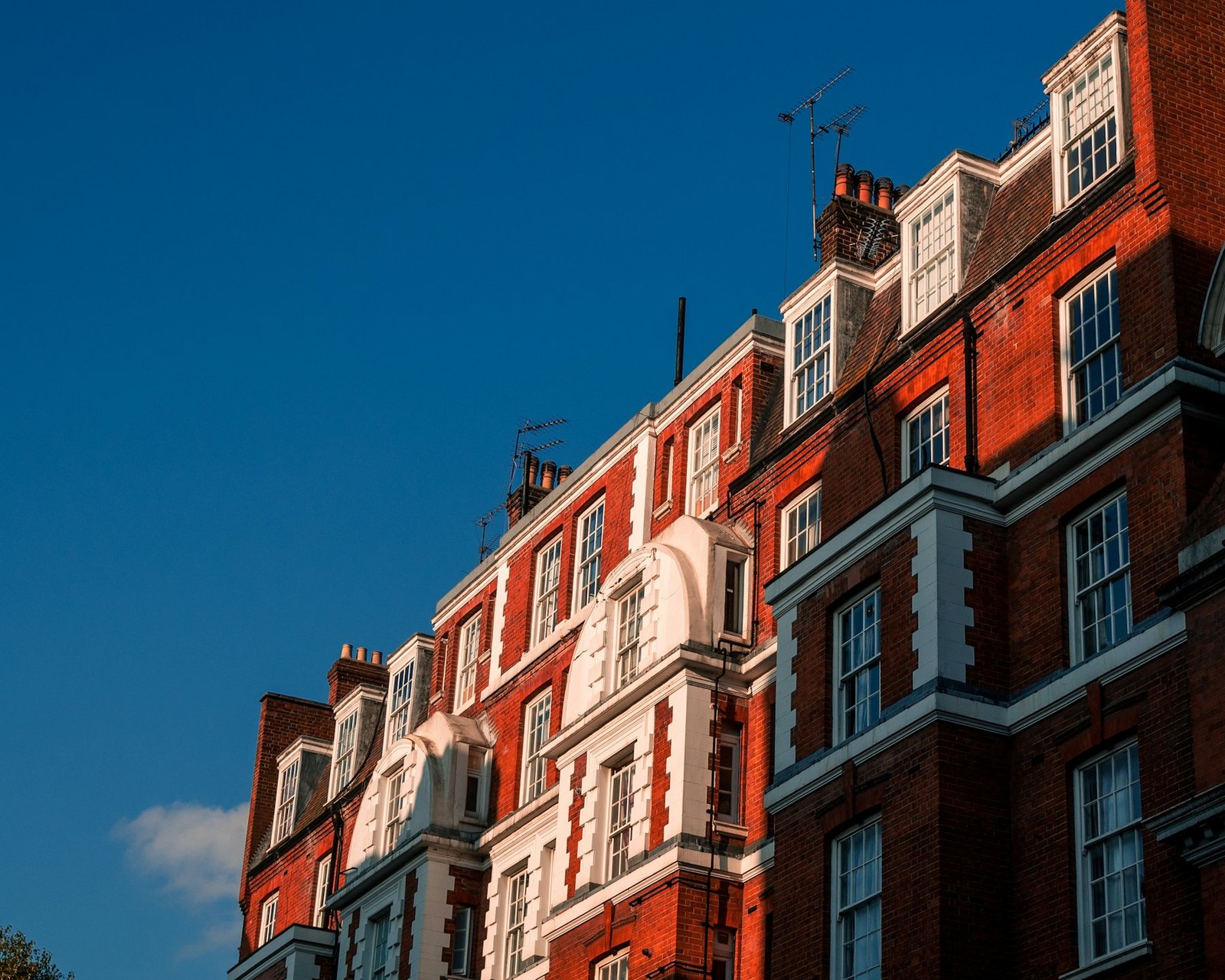
London’s character was not designed by one hand. It comes from centuries of terraces, squares, mews and mansion blocks that share a common language of proportion, material and restraint.
We start every project by reading that language: the conservation area appraisal, the listed neighbours, the roofline, the rhythm of windows and doors. What we add should strengthen the street, not compete with it.
That respect extends to the people who live and work beside our sites, and to the planning officers and amenity societies who look after these places.
Principles
How we design and build
Context first
We study the street, its history and its planning policy before anything is drawn.
Keep what has value
Where a building or a facade is worth keeping, we retain and repair it rather than replace it.
Proportion and rhythm
What we build follows the scale, roofline and window pattern of its neighbours.
Considerate construction
Tight sites are run with care for neighbours: noise, deliveries, dust and working hours.
Materials
The best materials, used properly
We specify natural, proven materials and the trades who know how to work them. They cost more on day one and far less over the life of a building.
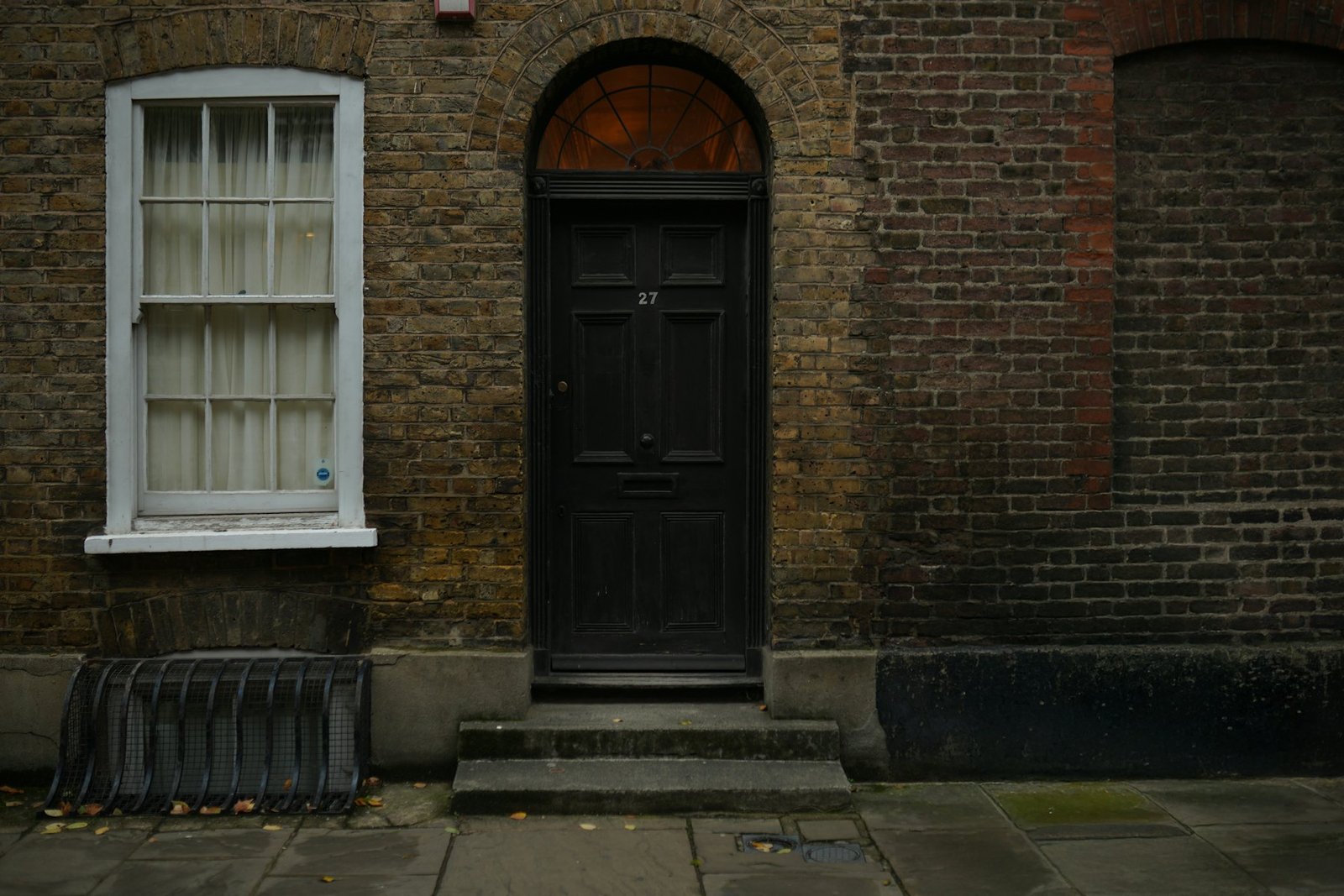
- Brick London stock and red facing brick, chosen to match its neighbours in colour, size and bond.
- Stone Portland stone and other natural stone for dressings, steps and facades.
- Lime Lime mortar and render where the building needs to breathe, as historic fabric does.
- Roofing Natural slate, lead and zinc, detailed traditionally.
- Joinery Hardwood doors and timber sash windows, made by joiners rather than taken from a catalogue.
- Metalwork Cast iron railings and balconies, bronze and brass ironmongery.
- Interiors Solid timber floors, natural stone and plasterwork finished by hand.
Sustainability
The greenest building is often the one already standing
Durability is the first test of sustainability. A building that lasts, and can be repaired, does not need to be built twice.
We look at reuse before replacement, improve the fabric of existing buildings so they need less energy, and choose materials that can be maintained rather than thrown away.
Questions
Our approach in brief
Do you work on listed buildings and in conservation areas?
Yes. These are the sites we are most interested in. We take specialist heritage advice and work with the local planning authority from an early stage.
Is your design traditional or contemporary?
Either, as long as it belongs. Some streets call for a faithful continuation of what is there and others can take a quiet contemporary building. The street decides.
Why do you insist on natural materials?
Because they last, they can be repaired and they weather well. London’s best streets are proof of it.
How do you look after neighbours during construction?
With a clear construction management plan covering working hours, deliveries, noise and dust, and with a named contact for every site.
Enquire
Talk to us about a site
If you have a building or a site that deserves this kind of care, we would like to see it.
- Email info@astead.co.uk
- Phone +44 7436 766592
